
Рубрика: Մայրենի

🎄Ինչպես են նշում նոր տարին Ռուսաստանում🎄

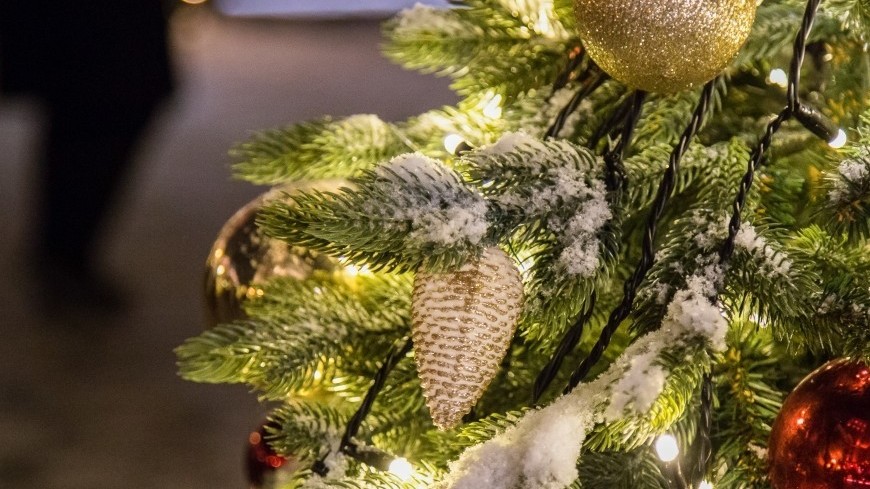
Москва нарядилась к встрече Нового года 2018

Новый Год в России празднуют шумно, весело и долго!

Ռուսաստանում Նոր տարին նշվում է աղմկոտ, զվարթ և երկար:

Большинство людей начинают отмечать праздник 31 декабря, а заканчивают в десятых числах января.

Մարդկանց մեծամասնությունը տոնը նշում են դեկտեմբերի 31-ին, և ավարտում հունվարի տասի կողմերին:

Уже много лет россияне по закону имеют право на новогодние каникулы, срок которых составляет приблизительно десять дней. За это время можно успеть сделать очень многое: навестить всех родных, близких, друзей, посетить новогодние елки и другие праздничные мероприятия, можно даже устроить себе небольшой отпуск, уехав в другой город или страну.

Արդեն շատ տարիներ ռուսերը օրենքով ունեն Նոր Տարվա արձակուրդի իրավունք, որը տևում է մոտավորապես տասը օր:Այդ ընդացքում կարելի է շատ բաներ հասցնել՝ այցելեք բոլոր հարազատներին, սիրելիներին, ընկերներին, այցելեք տոնական միջոցառումներ, նույնիսկ կարող եք կարճատև արձակուրդ կազմակերպել ձեզ համար ՝ մեկնելով մեկ այլ քաղաք կամ երկիր:

Саму же новогоднюю ночь с 31 декабря на 1 января обычно проводят с родными, ведь этот праздник считается семейным и домашним.

Հենց Նոր Տարվա գիշերը դեկտեմբերի 31 հունվարի 1 ընդուված է նշել ընտանիքի հետ, քանի որ այն համարվում ընտանեկան տոն:
Как празднуют Новый Год в России

Ни один Новый Год не обходится без подарков.

Ոչ մի Նոր Տարի չի նշվում առանց նվերների:

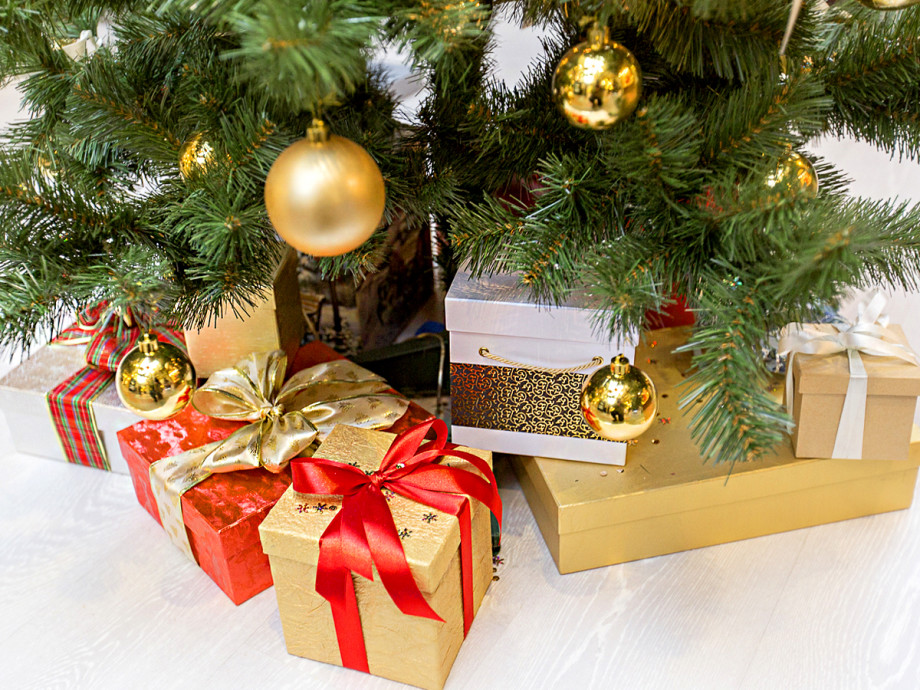
С начала декабря, а то и раньше, люди начинают заглядывать в магазины, чтобы найти что-то действительно интересное для своих родных и друзей. Когда подарок выбран, его красиво упаковывают и чаще всего кладут под елку. Торжественная распаковка презентов происходит уже 1 января.

Դեկտեմբերից սկսաց, անգամ ավելի շուտ, մարդիկ այցելում են խանուդներ, որպեսիզի գտնեն հետաքրքիր բաներ բարեկամների և ընկերների համար:Նվերը ընտրելուց հետո, այն գեղեցիկ փաթեթավորու են, և հաճախ դնում տոնածառի տակ:Նվերների բացումը տեղի է ունենում հունվարի 1-ին:

Дед Мороз также не забывает одаривать взрослых и детей! Он приходит ночью, когда все уже спят, и оставляет красивые свертки под елкой.

Ձմեռ Պապը չի մոռանում շնորհել մեծերին և փոքրերին:Նա գալիս է գիշերը, երբ որ բոլորը քնած են, և թողնում է գեղեցիկ նվերներ տոնածառի տակ:

Добрая традиция обмениваться подарками в Новый Год делает этот праздник еще более волшебным и сказочным. Не ленитесь делать по-настоящему приятные сюрпризы своим любимым, ведь это подарит им незабываемые эмоции на весь следующий год!

Բարի ավանդույթը փոխանակվել նվերներով Նոր Տարուն, սարքում է այն ավելի կախարդական և հեքիաթային:Մի ծուլացեք իսկապես հաճելի անակնկալներ մատուցել ձեր սիրելիներին, քանի որ դա նրանց հաջորդ տարի անմոռանալի ըզգացմունքներ կպատճառի:

Рубрика: Անգլերեն

🎄Christmas in Russia🎄

In the days of the Soviet Union, Christmas was not celebrated very much. New Year was made into the important time. Following the revolution in 1917, Christmas was banned as a religious holiday in 1929 and Christmas Trees were banned until 1935 when they turned into ‘New Year’ Trees! If people did want to celebrate Christmas, they had to do it in secret just in their families.

After the collapse of the Soviet Union in 1991, people were free to celebrate Christmas again. But it’s still a quieter and smaller holiday in Russia after the big New Year celebrations.

The New Year is the big time for spending lots of money and eating and drinking lots. Christmas is much more religious and private.

New Year is also when ‘Grandfather Frost’ (known in Russian as ‘Ded Moroz’ or Дед Мороз) brings presents to children. He is always accompanied by his Grandaughter (Snegurochka). On New Year’s eve children hold hands, make a circle around the Christmas tree and call for Snegurochka or Ded Moroz. When they appear the star and other lights on the Christmas tree light up! Ded Moroz carries a big magic staff. The traditional greeting for Happy New Year is ‘S Novym Godom’.

Christmas in Russia is normally celebrated on January 7th (only a few Catholics might celebrate it on the 25th December). The date is different because the Russian Orthodox Church uses the old ‘Julian’ calendar for religious celebration days. The Orthodox Church also celebrates Advent. But it has fixed dates, starting on 28th November and going to the 6th January, so it’s 40 days long.

The official Christmas and New holidays in Russia last from December 31st to January 10th.

In Russian Happy/Merry Christmas is ‘s rah-zh-dee-st-VOHM’ (C рождеством!) or ‘s-schah-st-lee-vah-vah rah-zh dee-st-vah’ (Счастливого рождества!). Happy/Merry Christmas in lots more languages.

Some people fast (don’t eat anything) on Christmas Eve, until the first star has appeared in the sky. People then eat ‘sochivo’ or ‘kutia’ a porridge made from wheat or rice served with honey, poppy seeds, fruit (especially berries and dried fruit like raisins), chopped walnuts or sometimes even fruit jellies!

Kutia is sometimes eaten from one common bowl, this symbolizes unity. In the past, some families like to throw a spoonful of sochivo up on the ceiling. If it stuck to the ceiling, some people thought it meant they would have good luck and would have a good harvest!

The Russian word for Christmas Eve ‘sochelnik’, comes from the word ‘sochivo’.

Some Orthodox Christian Russians also don’t eat any meat or fish during the Christmas Eve meal/feast.

Other popular Christmas Eve foods include, beetroot soup (borsch) or vegan potluck (solyanka) served with individual vegetable pies (often made with cabbage, potato, or mushroom); sauerkraut, porridge dishes such as buckwheat with fried onions and fried mushrooms, salads often made from vegetables like gherkins, mushrooms or tomatoes, and also potato or other root vegetable salads. The meal often consists of 12 dishes, representing the 12 disciples of Jesus.

‘Vzvar’ (meaning ‘boil-up’) is often served at the end of the meal. It’s a sweet drink made from dried fruit and honey boiled in water. Vzvar is traditionally at the birth of a child, so at Christmas it symbolizes the birth of the baby Jesus.

Following the meal, prayers might be said and people then go to the midnight Church services. They often don’t wash the dishes until they get home from Church — sometimes not until 4.00am or 5.00am!

The main meal on Christmas day is often more of a feast with dishes like roast pork & goose, Pirog and Pelmeni (meat dumplings). Dessert is often things like fruit pies, gingerbread and honeybread cookies (called Pryaniki) and fresh and dried fruit and more nuts.

There are Russian Christmas cookies called Kozulya which are made in the shape of a sheep, goat or deer.

In some areas, children will go carol singing round the homes of friends and family and to wish people a happy new year. They are normally rewarded with cookies, sweets and money.


To people in western Europe and the USA, one of the most famous things about Christmas in Russia is the story of Babushka. Babushka means Grand Mother in Russian. It tells the story of an old women who met the Wise men on their way to see Jesus.

However, most people in Russia have NEVER heard of the story as it was probably created by an American poet and writer called Edith Matilda Thomas in 1907! I’ve had many emails from Russian visitors to the site who have never heard the story before!