
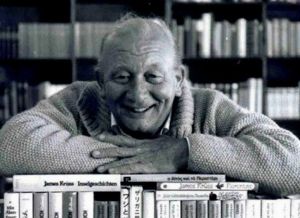
Ջեյմս Քրյուս (1926-1997թթ.) — գերմանացի մանկագիր
Նոյեմբերի 20 — դեկտեմբերի 2
7-րդ դասարան
- Գրել տրված բառերի հոմանիշներ.
- ցնծալ- սաստիկ ուրախանալ, բերկրել
- մտախոհ-նմտածմունքների մեջ սուզված, մտազբաղ
- վճիռ- դատարանի որոշումը քրեական կամ քաղաքացիական գործի մասին
- գաղտնաբար- գաղտնաբար
- խցկել- դժվարությամբ ներս տանել, մտցնել
- թուխ- սևին տվող մուգ գույնի, մուգ գորշագույն
- կարկամել- լեզուն կապ ընկնել, պապանձվել
- տատանվել- Տատանել -ի:
- հեկեկալ- ընդհատ-ընդհատ շունչ քաշելով լալ (ոչ բարձրաձայն)
- խռպոտ- զայնը խզված, խզված ձայն արձակել
- լողլող- երկարահասակ ու նիհար, անճոռնի բարձր հասակով
- ճաղատ- գլխի մազերը թափված, քաչալ, լերկ գլխով
- փարթամ- լավ աճած՝ զարգացած, առատ ճյուղերով՝ ոստերով ու սաղարթախիտ (բույսերի մասին)
- քրքջալ- անզուսպ և բարձրաձայն ծիծաղել
- հազվագյուտ- դժվարությամբ՝ հազիվ գտնվող: Հազվագյուտ ապրանք
- ծլկել- աննկատելիորեն՝ սուսիկ-փուսիկ փախչել:
- ընկճվել- ընկճել
Թիմն ինքն էլ չգիտեր, թե ինչու՞ ծիծաղեց, բայց այդ մասին նա չէր էլ մտածում: Նա դեռ այն հասակում չէր, երբ մարդիկ շատ են մտածում իրենց անձի ու իրենց արարքների մասին: — Իսկ քո կարծիքով ինչու՞ նա ծիծաղեց: Քանի_որ Թիմը (ինչպես նաև շատ մարդիկ) չէր կառավարում դա և շատ դժվար էր պահել ծիաղը
Ուրախությունն ու վիշտը միշտ կողք-կողքի են ապրում: — Մեկնաբանիր այս միտքը՝ համաձայնելով կամ հերքելով այն:Առանց ուրախության վիշտ չի լինում:
 Նարե Ենգիբարյան, Միջին դպրոց 8.5 դասարան